Aligning Vendor Invoice Processing with Customer Charge Authorizations Across Unified Payment Networks for Multi-Channel Sellers
Written by Willa Russell · Oct 17, 2026
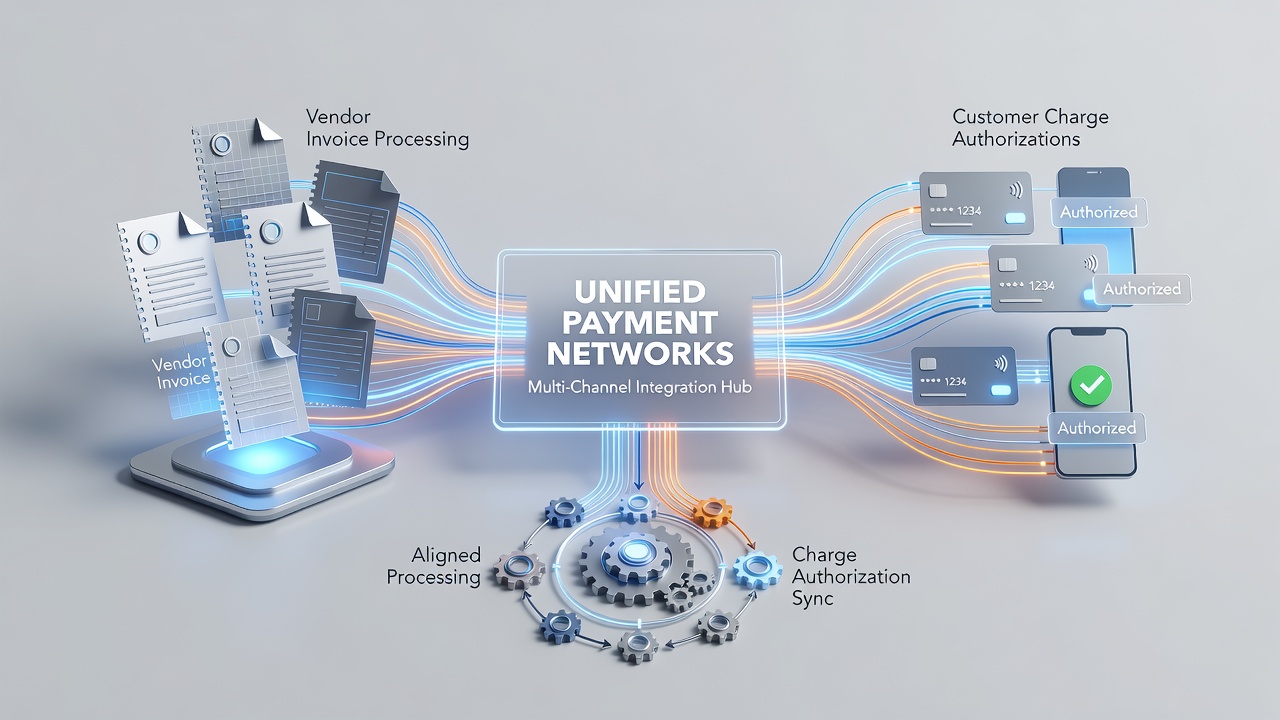
Aligning Vendor Invoice Processing with Customer Charge Authorizations Across Unified Payment Networks for Multi-Channel Sellers
Multi-channel sellers face ongoing demands to match vendor invoice details with customer charge authorizations inside unified payment networks that span online stores, physical outlets, and mobile platforms. Systems must reconcile purchase orders, shipping confirmations, and payment tokens in real time so that funds move only after both parties confirm the transaction terms. Data from the Federal Reserve shows that payment volumes across these channels grew steadily through 2025, with projections extending into October 2026 highlighting continued expansion in cross-channel activity.
How Unified Networks Support Invoice and Authorization Matching
Unified payment networks consolidate transaction data from multiple sources into a single ledger that updates as sales occur. This setup lets vendors submit invoices while the network simultaneously checks customer charge authorizations against inventory records and pricing agreements. Observers note that sellers who adopt these networks reduce mismatches because the system flags discrepancies before settlement occurs. Researchers at payment technology firms have tracked cases where integration cut processing delays by linking invoice line items directly to tokenized authorization codes.
Merchants operating across channels often encounter situations where an online order and an in-store purchase reference the same vendor invoice. The network resolves this by assigning unique identifiers that travel with each charge request, allowing the system to aggregate totals without double-counting. Studies from industry groups indicate that such identifier schemes improve accuracy when seasonal demand spikes create overlapping transaction streams.
Charge Authorization Protocols in Practice
Charge authorizations function as pre-approvals that reserve funds until the vendor invoice reaches final status. In unified networks these authorizations carry metadata about channel origin, product codes, and expected delivery dates. When the invoice arrives the network compares these fields against the original authorization record and releases or adjusts the hold accordingly. Those who manage high-volume operations report that embedding channel-specific tags in each authorization step prevents confusion during reconciliation.
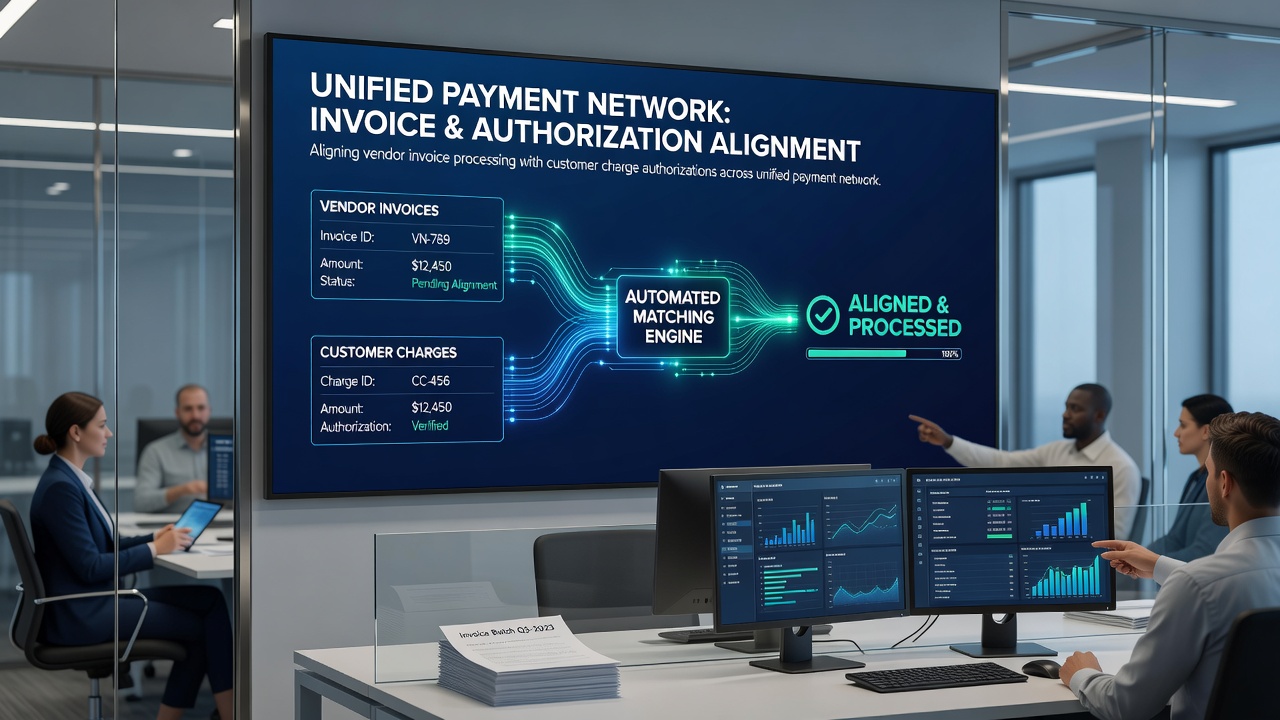
Security layers within the network verify that the authorization amount aligns with the invoiced total before funds transfer. If a partial shipment occurs the system can split the authorization into multiple invoice segments while preserving the original customer consent record. Figures released by the European Central Bank illustrate rising adoption of split-authorization features among European retailers handling multi-channel fulfillment.
Synchronization Techniques for Multi-Channel Operations
Sellers coordinate inventory updates with payment events so that an authorization only becomes active once stock confirmation arrives from the relevant channel. Automated workflows pull data from warehouse management tools and feed it into the payment network, creating a closed loop between availability and charging. One documented approach uses event-driven triggers that pause an authorization if inventory signals change before the invoice posts.
Cross-border vendors add another layer because currency conversion and local tax rules must match both the invoice and the authorization. Networks equipped with real-time rate feeds adjust amounts at the moment of invoice receipt, reducing the chance that a settled charge deviates from the vendor agreement. Reports from Payments Canada highlight similar synchronization methods used by Canadian firms managing North American and international channels.
Operational Examples Across Retail Sectors
Fashion retailers that sell through websites, pop-up stores, and wholesale partners rely on unified networks to align seasonal vendor invoices with customer pre-authorizations placed months earlier. The network tracks each pre-authorization through order modifications and returns, ensuring the final invoice reflects only fulfilled items. Similar patterns appear among electronics sellers who must reconcile component-level invoices against bundled consumer charges.
Service providers such as subscription box companies use the same infrastructure to match recurring vendor supply invoices with monthly customer authorizations. When a vendor raises prices the network requires an updated authorization before processing the next cycle, maintaining compliance across channels. Data compiled by academic researchers at payment-focused university programs shows measurable drops in exception handling after these controls are implemented.
Conclusion
Alignment of vendor invoice processing with customer charge authorizations inside unified payment networks continues to evolve as multi-channel sellers expand their reach. The mechanisms described rely on consistent data flows, identifier schemes, and real-time verification steps that operate across online, offline, and mobile environments. Continued development through 2026 will likely focus on tighter integration between inventory signals and authorization lifecycles to support growing transaction volumes.