Exploring Automated Reconciliation Techniques for Multi-Location Retail Operators Managing Short-Term Sales Events
Written by Devon Schmid · Oct 3, 2026
Exploring Automated Reconciliation Techniques for Multi-Location Retail Operators Managing Short-Term Sales Events
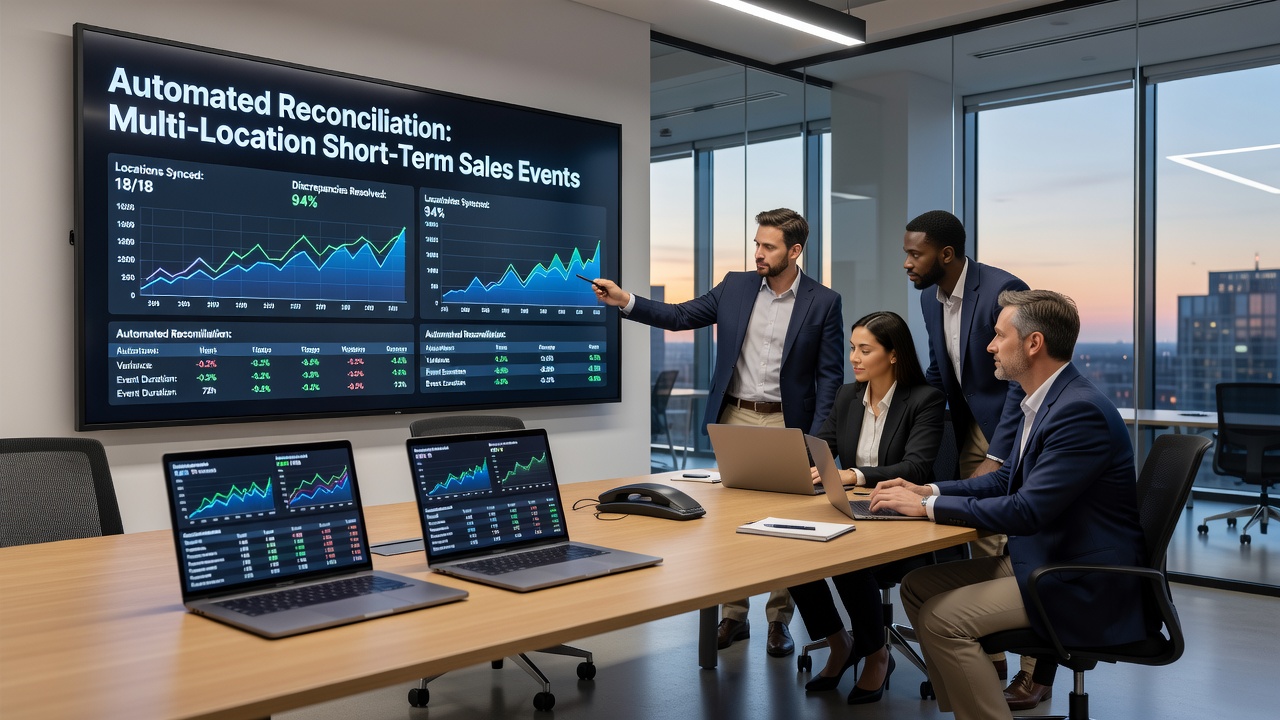
Multi-location retail operators handling short-term sales events face distinct reconciliation demands that differ from standard operations, since these events generate high volumes of transactions across temporary sites with limited staff and time constraints. Data from industry reports shows that such events often produce discrepancies in sales figures, inventory counts, and payment records when manual processes are used, which leads operators to adopt automated techniques for matching records in real time.
Key Challenges in Short-Term Event Reconciliation
Operators running pop-up stores or seasonal markets across several locations must synchronize data from point-of-sale terminals, supplier deliveries, and payment processors within tight windows, often closing events within days or weeks. Research indicates that transaction volumes spike during these periods, creating backlogs when teams attempt to verify cash deposits against digital logs manually, while inventory movements between sites add further layers of complexity that static spreadsheets fail to capture efficiently.
Figures from retail analytics platforms reveal that errors in cross-location matching rise by significant margins during October 2026 events, as operators prepare for holiday cycles with multiple overlapping short-term setups in urban and suburban areas. Those who manage these operations note that time zone differences and varying network connectivity at temporary venues compound the issues, prompting the shift toward systems that pull data automatically from multiple sources and flag mismatches without constant human oversight.
Core Automated Techniques and Their Applications
Automated reconciliation relies on rule-based algorithms that compare transaction identifiers, timestamps, and amounts across datasets from different locations, while machine learning models improve accuracy over repeated events by learning patterns specific to each operator's sales mix. These systems integrate with existing inventory management tools to update stock levels in tandem with sales confirmations, reducing the lag that occurs when staff enter data after an event concludes.
Cloud-based platforms allow operators to connect disparate point-of-sale units through standardized APIs, which stream data into centralized dashboards for immediate review, and this approach proves especially useful when short-term events involve mobile units that move between sites. Observers note that batch processing combined with real-time alerts helps teams address discrepancies on the same day they occur rather than weeks later during end-of-month closes.
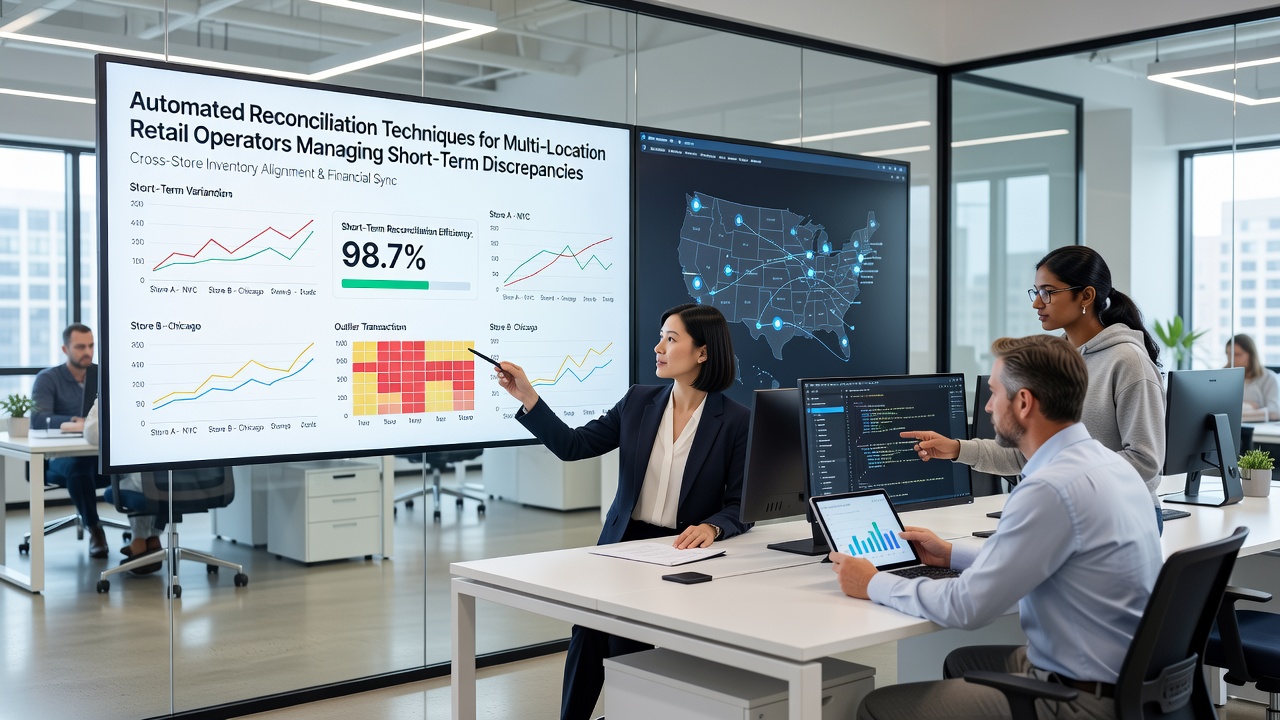
One study revealed that operators incorporating optical character recognition for paper receipts alongside digital feeds achieve higher match rates, since many short-term events still rely on handwritten logs at smaller venues. Experts have observed that hybrid models combining these inputs with bank feed integrations create comprehensive audit trails that satisfy both internal reviews and external reporting requirements from regulatory bodies such as the U.S. Census Bureau.
Implementation Patterns Across Retail Networks
Retail chains that expanded into short-term events in recent years often begin with pilot programs at two or three locations before scaling automated tools network-wide, testing data flows during low-stakes periods to refine matching rules. Case examples show that successful deployments include custom thresholds for acceptable variances, such as allowing small rounding differences in cash handling while routing larger gaps to supervisor queues for investigation.
What's interesting is how some operators layer in geolocation tags from mobile devices to verify that recorded sales align with specific event sites, adding an extra dimension to the reconciliation process that manual methods overlook. Data shows these additions cut down on duplicate entries when the same stock moves between concurrent events in nearby cities.
Trends Emerging in 2026 Operations
By October 2026, adoption of automated reconciliation appears concentrated among mid-sized chains managing five or more temporary sites simultaneously, according to aggregated retail technology surveys. These operators report using predictive analytics to forecast common mismatch types based on historical event data, which allows preemptive adjustments before sales begin.
European retail groups have documented similar patterns through reports from organizations like Eurostat retail statistics, where cross-border short-term events highlight the need for currency conversion handling within automated workflows. Such features prevent mismatches stemming from exchange rate fluctuations when operators run events in multiple countries during the same season.
Conclusion
Automated reconciliation techniques continue to evolve as multi-location operators refine their approaches to short-term sales events, with integration of inventory signals, payment streams, and location-specific data becoming standard practice. Retail networks that implement these methods maintain clearer records throughout event cycles, supporting smoother financial closes and compliance checks without extending staff hours beyond event durations.